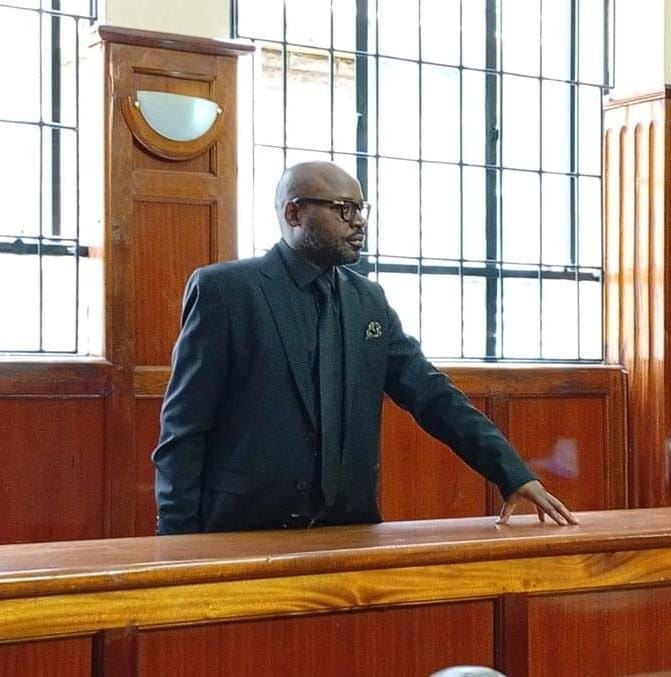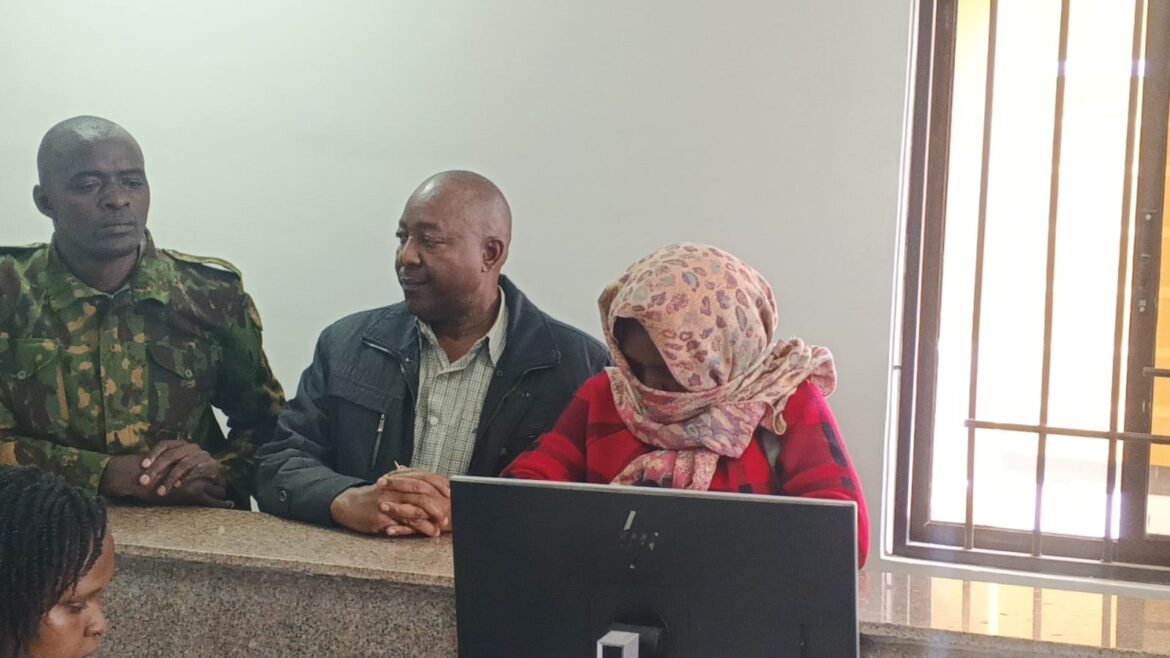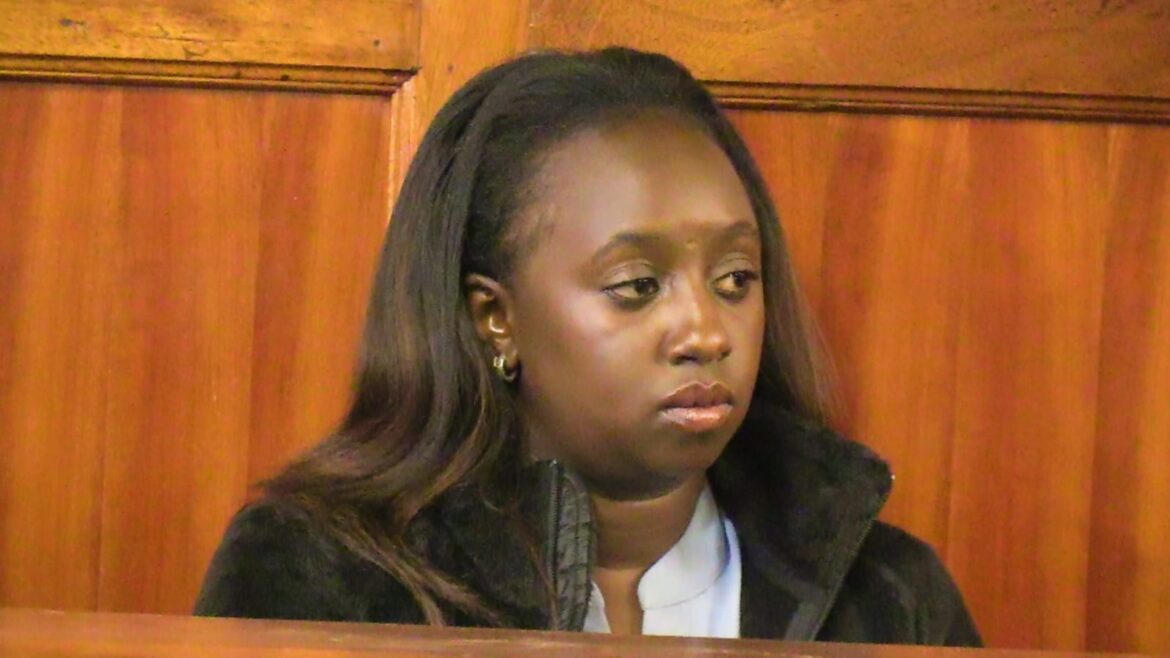
A High Court in Nairobi has acquitted rally driver Maxine Wahome of the murder of her boyfriend, Asad Khan. The ruling brings to a close a closely watched criminal case after the court found that the prosecution had not produced sufficient evidence to require her to present a defence.
Court finds no case to answer
In a judgment delivered by Justice Lilian Mutende, the court held that the prosecution failed to establish a prima facie case. The judge ruled that the evidence on record was insufficient to require Wahome to answer the murder charge.
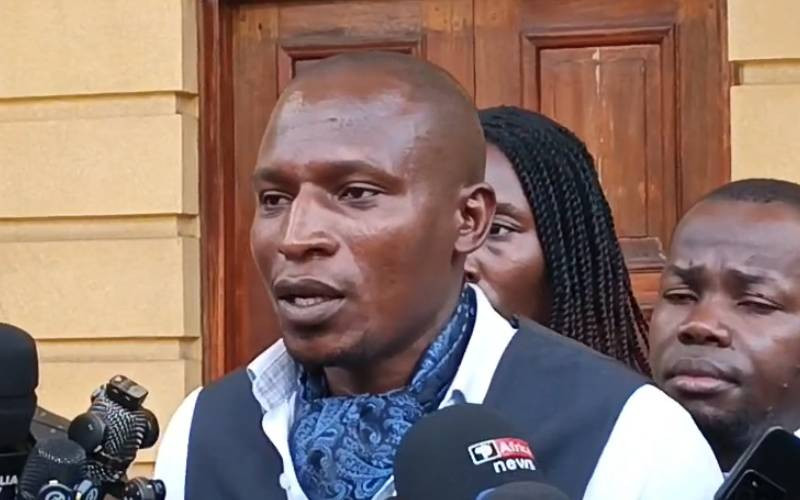
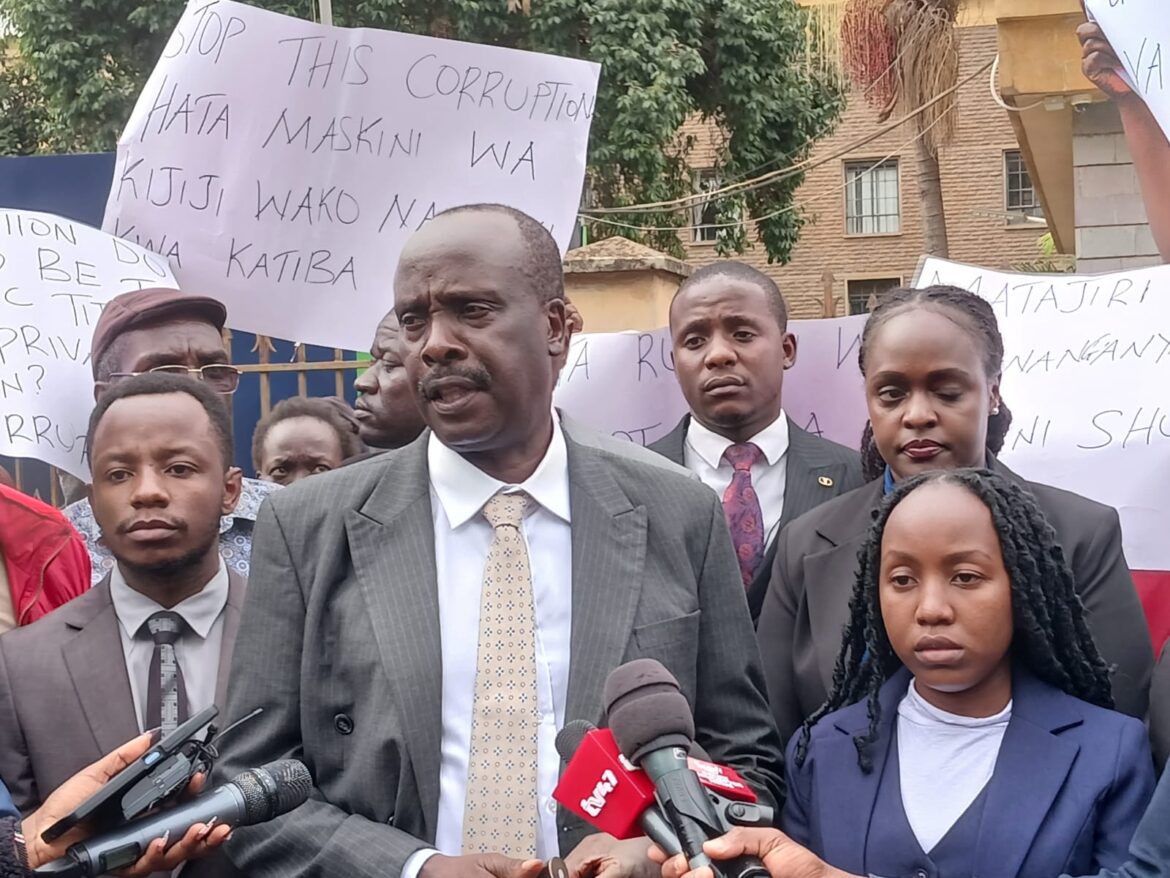
Lawyer Steve Kimathi, who represented Wahome throughout the case, welcomed the judgment. He said he and his client were relieved by the court’s decision.
“I am extremely pleased with the Court’s decision to acquit Maxine. This is a case that should never have been brought before the courts in the first place, yet the Office of the Director of Public Prosecutions chose to pursue it. Today’s judgment is a vindication of my client’s innocence and, most importantly, it has cleared her name. I welcome the Court’s decision and am grateful that justice has prevailed,” Kimathi said.
How the case began
The case arose from an incident at Preston Apartments on Oloitoktok Road in Nairobi on December 12, 2022.
Khan sustained serious injuries during the incident. He later died in hospital.
Over the course of the trial, the prosecution called 29 witnesses. Prosecutors sought to demonstrate that Wahome was responsible for the injuries that ultimately led to Khan’s death.
After reviewing the testimony, however, the court found that none of the witnesses directly linked Wahome to the alleged assault.
Court reviews the evidence
The prosecution argued that only Wahome and Khan were inside the apartment at the material time.
However, Justice Mutende ruled that this circumstance alone could not support an inference of guilt.
The judge emphasized that a conviction for murder requires proof beyond reasonable doubt that the accused committed an unlawful act that caused the deceased’s death. The prosecution must also prove that the act was committed with malice aforethought.
The court found that the prosecution had not established those essential elements.
Medical and forensic evidence
Medical evidence presented during the hearing showed that Khan died from sepsis after suffering multiple injuries. The injuries included head trauma, bruising and injuries to his arms, which doctors described as defensive wounds.
The court also heard expert testimony indicating that the head injuries were consistent with a fall.
In addition, evidence suggested there were gaps in Khan’s treatment after his transfer from Nairobi Hospital to Avenue Hospital. The defence argued that those gaps may have contributed to the eventual outcome.
Witness and forensic testimony
Prosecutors also relied on claims that Wahome locked the apartment after the incident and prevented Khan’s relatives from gaining access.
They also presented WhatsApp messages exchanged between the couple before the incident.
However, no witness testified to seeing Wahome assault Khan.
A neighbour told the court that he heard Khan ask Wahome to leave the apartment. He also heard Wahome respond that she was leaving. However, he did not witness any physical confrontation.
The forensic evidence also failed to connect Wahome to the alleged assault.
Investigators recovered blood from the apartment that matched Khan’s DNA. However, they did not recover blood-stained clothing or other forensic material linking Wahome to the injuries.
A scenes-of-crime officer also acknowledged that broken glass found in the apartment could have broken from inside the house.
The court also considered evidence showing that Wahome had locked herself on the apartment balcony during the incident and had sustained swelling to her head.
Toxicology results presented during the trial showed that Khan had alcohol, narcotics and medication prescribed for diabetes and hypertension in his system.
Court acquits Wahome
Justice Mutende further observed that even the investigating officer could not state with certainty that Wahome inflicted the injuries that caused Khan’s death.
After reviewing all the prosecution’s evidence, the court found that it did not rise above suspicion or speculation. The judge ruled that the evidence was insufficient to sustain the murder charge.
The court therefore acquitted Wahome without calling on her to present a defence.