

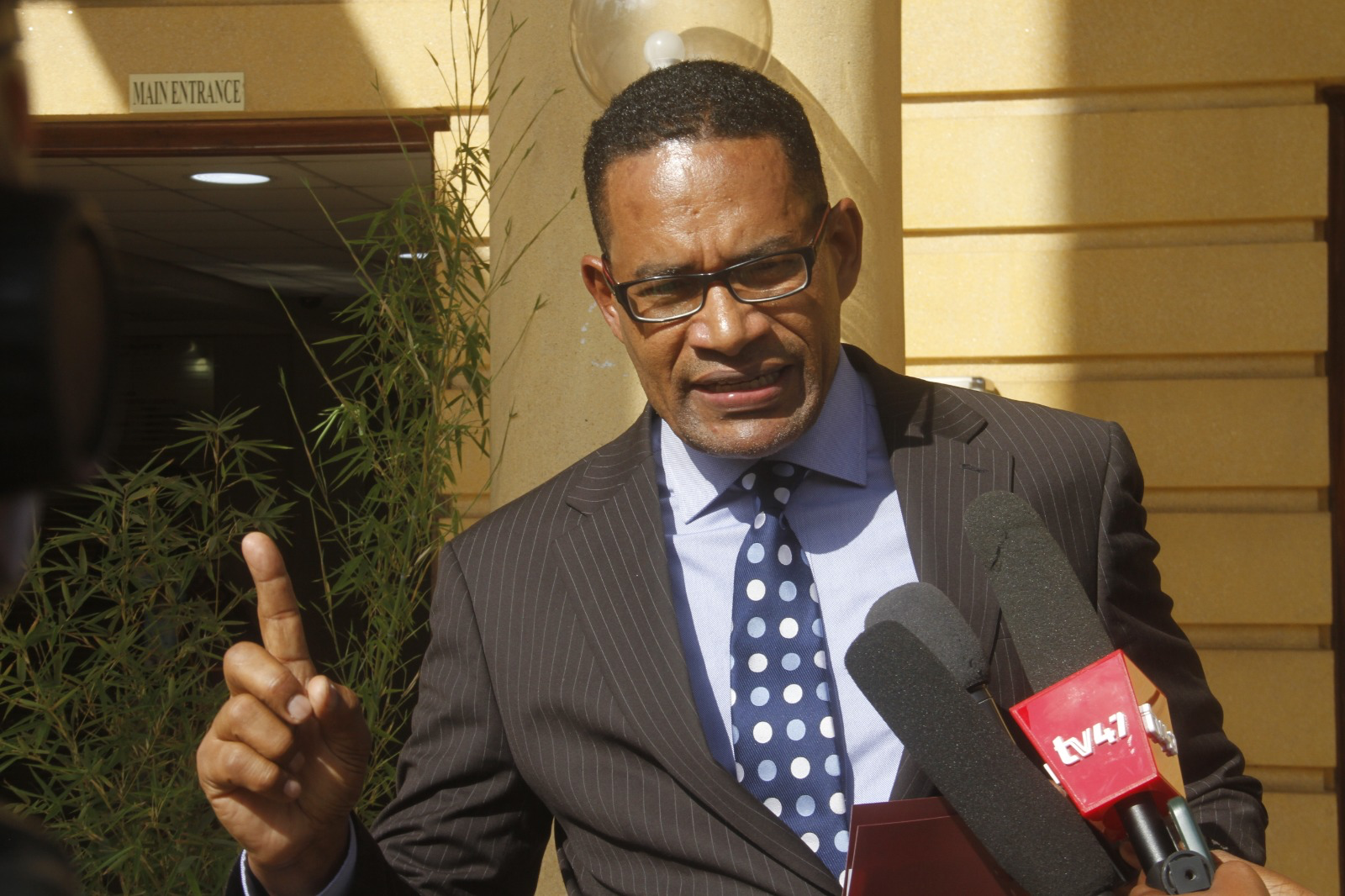
In a ruling delivered on October 1, 2025, Justice Prof. (Dr.) Nixon Sifuna found that the ARA failed to provide sufficient evidence proving that funds held in Sonko’s bank accounts were proceeds of crime.
The court ordered the release of the funds and discharged preservation orders that had been in place since February 2020.
ARA sought forfeiture of millions
The civil case involved more than KSh 18.5 million and approximately USD 67,906 held in ten bank accounts at Equity Bank, Diamond Trust Bank, and Co-operative Bank.
The ARA argued that the money was linked to suspected money laundering activities involving funds from the Nairobi City County Government.
The agency claimed that suspicious cash deposits made between August 2017 and December 2019 showed patterns of splitting and concealment of funds.
ARA investigator Corporal Sautet Jeremiah told the court that the transactions amounted to “splitting, smurfing and placement of funds” intended to hide the source of the money.
Sonko denies money laundering claims
Sonko, through lawyer Harrison Kinyanjui, rejected the allegations and argued that the funds were acquired legally.
The defence maintained that Sonko had established businesses and dealt in real estate before becoming Nairobi governor.
Kinyanjui told the court that the funds came from legitimate business activities, including property sales valued at more than KSh 572 million.
The defence presented documents, including sale agreements, to support the claim that the deposits were linked to lawful transactions.
Court faults ARA investigation
Justice Sifuna criticised the ARA’s evidence, saying the agency failed to prove that the funds were proceeds of crime.
The judge questioned why the investigator did not provide Sonko’s bank records from before he became governor to create a proper comparison of his financial activities.
The court described the selective presentation of evidence as “cherry-picking” and said it weakened the agency’s case.
The judge also faulted ARA for failing to verify the property transactions presented by Sonko’s defence.
According to the ruling, investigators did not interview the buyers involved or provide independent evidence challenging the legitimacy of the sales.
Court says suspicion alone is not enough
The court held that allegations of financial misconduct must be supported by credible evidence.
Justice Sifuna stated that investigations must be thorough and based on facts rather than suspicion.
The judge ruled that the ARA did not meet the required legal threshold to prove that the money was obtained through criminal activity.
Funds to be released to Sonko
Following the dismissal of the case, the court ordered the immediate lifting of preservation orders placed on Sonko’s accounts.
The ARA suit was dismissed with costs, allowing the former governor to access the funds.
The decision highlights the importance of evidence-based investigations in asset recovery cases and the need for agencies to meet the legal standards required before seeking forfeiture of private property.

