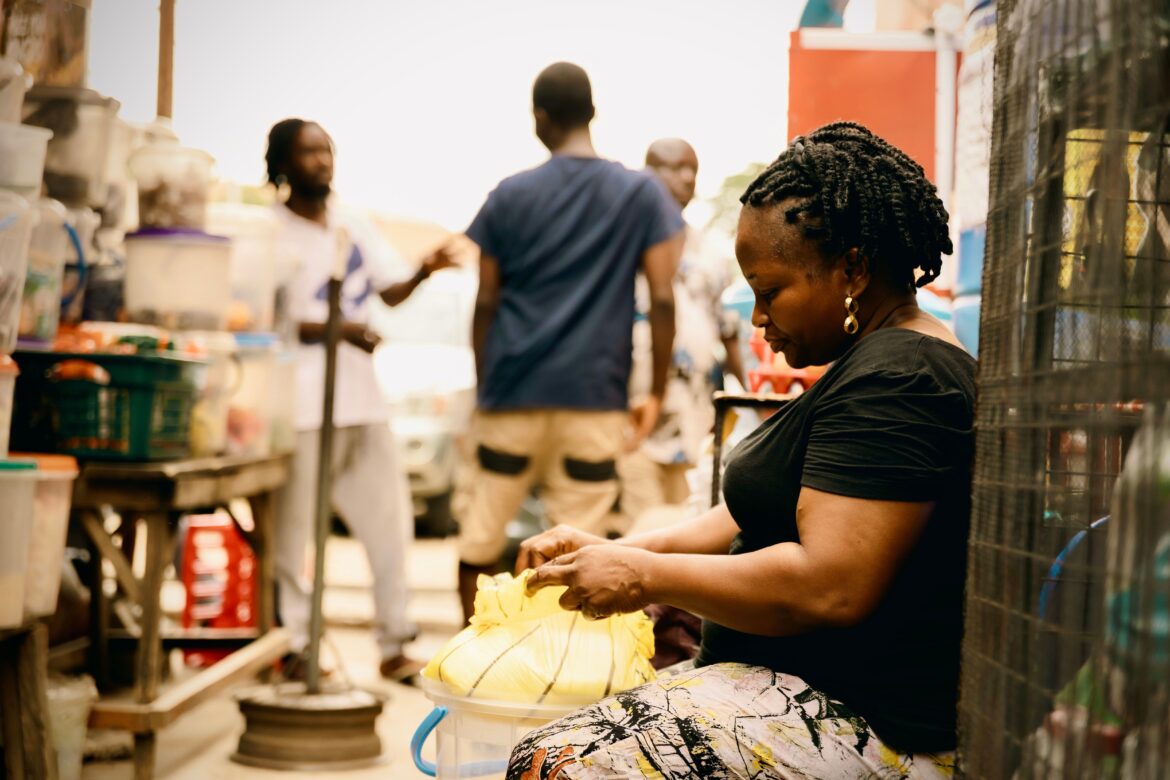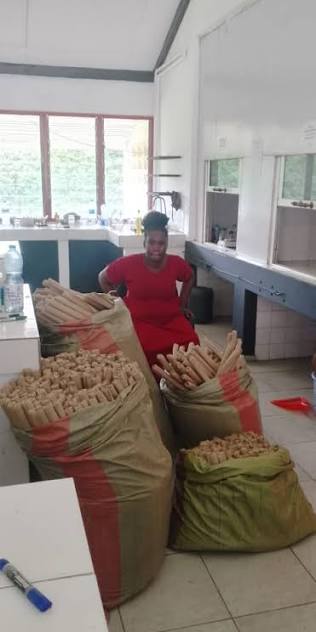
A middle-aged woman has been charged at a Nairobi court with trafficking bhang after police allegedly found 30 kilograms and 303 rolls of the narcotic drug in her house.
Grace Wanjiru Gathii appeared before Milimani Senior Principal Magistrate Robinson Ondieki and denied the charges.
Woman charged with trafficking bhang
The prosecution told the court that Wanjiru, together with others who were not before the court, trafficked the drugs on April 8, 2025.
The alleged offence took place in the Gachui area within Nairobi County.
According to the prosecution, Wanjiru trafficked the bhang by storing it in her house. The impounded drugs had an estimated street value of Ksh465,000.
Second charge of possessing bhang
Wanjiru also faces a second count of being in possession of bhang, contrary to the law.
The court heard that police found her with 30 kilograms and 303 rolls of bhang on the same day and in the same area.
She denied both charges when she appeared before Magistrate Ondieki.
Defence seeks lenient bond terms
The defence lawyer asked the court to release Wanjiru on lenient bond terms.
The lawyer assured the court that the accused would comply with any conditions imposed by the court.
“Your honour, I pray for the release of the accused person on lenient bond terms, assuring this court she is ready to comply with the rules to be set by this court,” the lawyer submitted.
The defence further told the court that Wanjiru is an unemployed mother of three and has a known place of residence.
Court grants woman Sh200,000 bond
The prosecution did not oppose Wanjiru’s release on reasonable bond terms.
Consequently, Magistrate Ondieki released her on a bond of Ksh200,000 with a surety of a similar amount.
The court also granted an alternative cash bail of Ksh100,000 with one contact person.
The case will be mentioned on April 24, 2025.