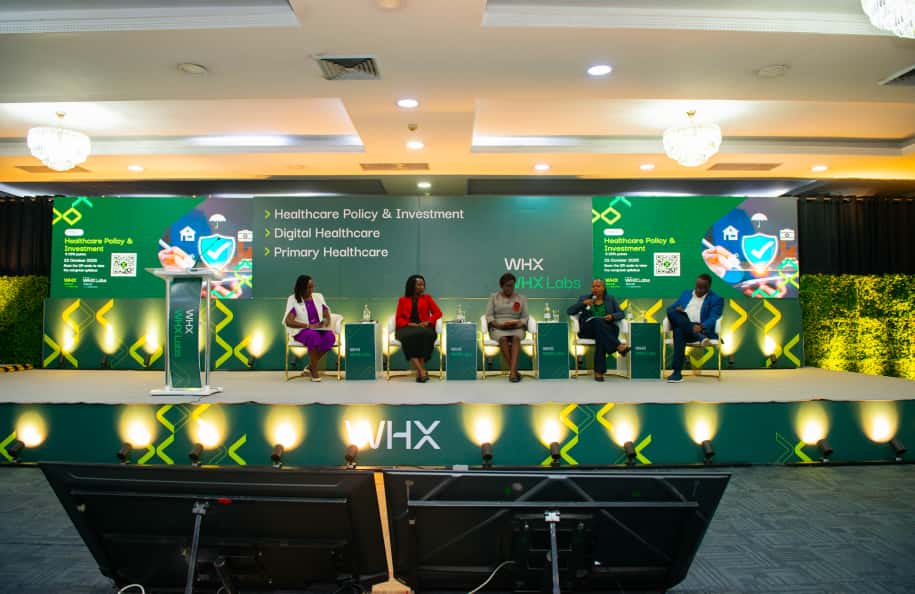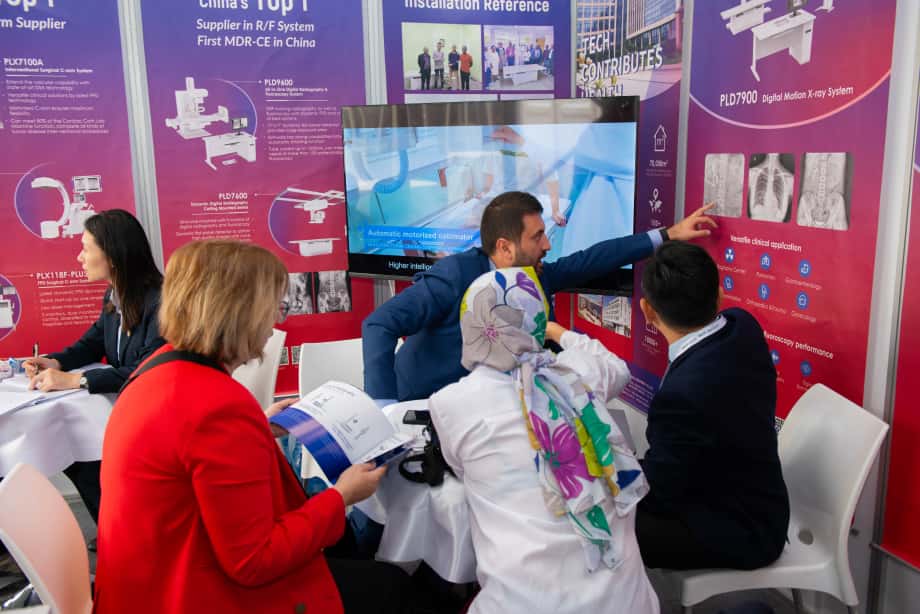
The summit, held at the Kenyatta International Convention Centre, has attracted more than 5,000 healthcare experts from over 20 countries. The event focuses on innovation, technology, sustainable financing, and local solutions that can improve healthcare access across the region.
The discussions at WHX Nairobi highlight a growing shift toward healthcare systems that rely on local expertise, stronger partnerships, and smart technologies.
Healthcare leaders push for local solutions
The opening sessions focused on the importance of investing in people and strengthening healthcare institutions.
Leaders from Kenya’s leading hospitals shared their views on how the country can build a more resilient health system.
Dr. Toseef Din from M.P. Shah Hospital emphasised the importance of compassion in healthcare leadership. He noted that healthcare leaders must support their teams while ensuring patients receive quality services.
Similarly, Dr. Richard Lesiyampe of Kenyatta National Hospital called for greater investment in healthcare workers.
He explained that institutions should focus on developing talent instead of simply managing employees. According to him, strong healthcare systems depend on skilled and motivated professionals.
WHX Nairobi addresses healthcare financing challenges
Beyond leadership, the summit also examined the challenges facing healthcare financing in Kenya and East Africa.
The Global Health Association of Kenya hosted discussions on creating sustainable funding models for healthcare systems.
Dr. Samuel Oti from the International Development Research Centre challenged traditional approaches to healthcare funding.
He called for stronger partnerships where global health organisations work closely with local experts and communities.
The discussions highlighted the need to empower local professionals who understand the unique healthcare challenges facing African countries.
Technology drives Kenya’s healthcare transformation
Technology emerged as a key driver of Kenya’s healthcare revolution during the summit.
Healthcare companies showcased solutions designed to improve diagnosis, treatment, and access to medical services.
Randox presented its plans to expand molecular testing services to county-level healthcare facilities.
The company aims to make advanced diagnostic services available to more patients and support Kenya’s Universal Health Coverage goals.
Meanwhile, Bioline Country Manager Sara Silva announced plans to strengthen the company’s presence in Kenya.
The company is seeking local partnerships to improve access to affordable surgical supplies and strengthen medical supply chains.
Artificial Intelligence and digital health take centre stage
WHX Labs Nairobi also explored the future role of technology in healthcare delivery.
Experts discussed laboratory management, workforce development, artificial intelligence, and modern diagnostic solutions.
In addition, participants examined ways to address antimicrobial resistance through innovation and improved healthcare practices.
The summit will continue with discussions on digital health, including artificial intelligence and telemedicine solutions.
These technologies could help expand access to quality healthcare services, especially in underserved areas.
Building the future of healthcare in East Africa
The WHX Nairobi Summit has created a platform for healthcare leaders, innovators, and policymakers to develop practical solutions for the region.
The discussions point toward a healthcare future built on local leadership, collaboration, and technology.
As Kenya continues its healthcare transformation journey, investments in innovation, skilled professionals, and digital solutions will remain critical.
WHX Nairobi demonstrates that the future of healthcare in East Africa will depend on partnerships that place communities and local expertise at the centre of decision-making.