

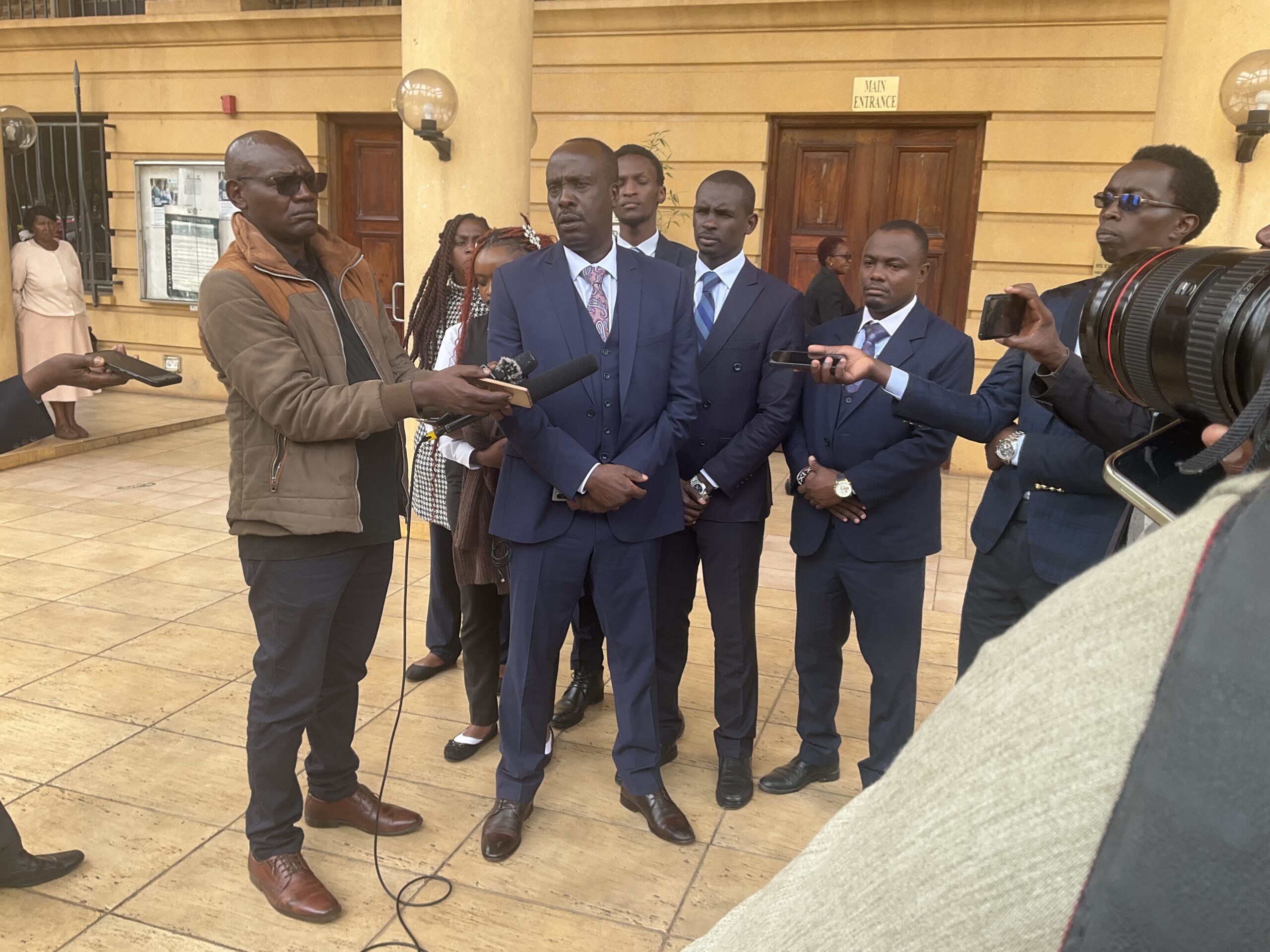
Through its founder Shadrack Wambui, the lobby group said the DPP exercises his authority based on the mandate provided under the Constitution and other laws.
Lobby group supports DPP’s prosecutorial powers
Sheria Mtaani argued that the DPP has the constitutional authority to decide whether suspects should be charged and whether criminal cases should proceed.
Lawyer Danstan Omari, who said he had been instructed by the lobby group, stated that the DPP’s office was created to separate prosecution from investigations.
“Before August 27, 2010, the office of the DPP was a branch under the Attorney General, but Kenyans demanded that prosecutors should not also act as investigators,” Omari said.
He explained that Article 157 of the Constitution grants the DPP independence when making decisions on prosecution matters.
Omari rejects claims against DPP
Omari dismissed allegations that the DPP has been withdrawing corruption cases without proper reasons.
He said many files forwarded to the DPP do not meet the required legal threshold for prosecution.
According to Omari, the DPP has a duty to review evidence before deciding whether to charge individuals.
“The narrative that the DPP has been withdrawing matters right and left is not true,” he said.
Court has final say on withdrawals
The lawyer explained that the DPP does not have the final authority to withdraw criminal cases without court approval.
He said courts have the power to allow or reject applications seeking withdrawal of cases.
Omari noted that in some instances, courts have declined withdrawal applications, forcing the DPP to challenge those decisions through appeals.
EACC remains responsible for investigations
Omari said the Ethics and Anti-Corruption Commission (EACC) remains responsible for investigating corruption allegations.
He maintained that the DPP’s role begins after investigators submit files for review.
“The weakest link in the fight against corruption is not the DPP’s office. The DPP’s mandate is to decide whether to charge and prosecute,” Omari said.
He added that the EACC cannot prosecute cases because its role is limited to investigations.
Group calls for fair assessment of DPP’s role
Sheria Mtaani said criticism against DPP Renson Igonga was misplaced and ignored the constitutional roles assigned to different institutions.
Omari urged critics to give the DPP an opportunity to respond to allegations against his office.
He maintained that prosecutors working under the DPP act based on instructions from the holder of the office.
The lobby group insists that the fight against corruption requires cooperation between investigators, prosecutors, and courts rather than placing blame on one institution.

